2017 - 2019
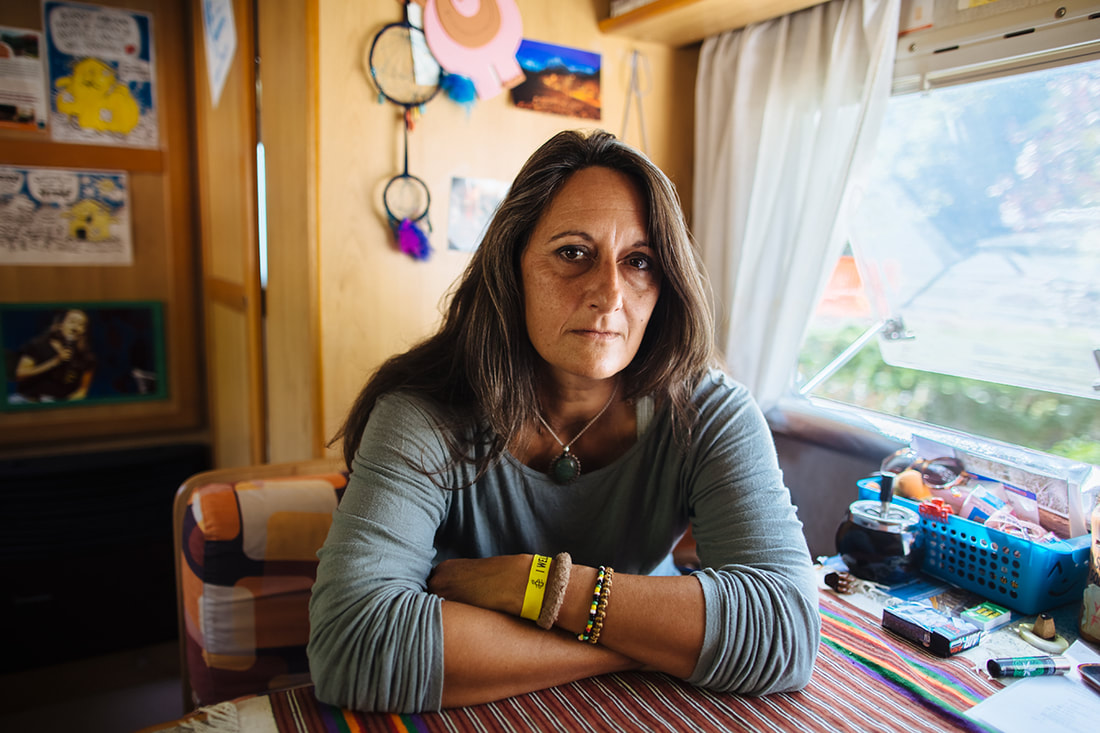
Patrizia
|
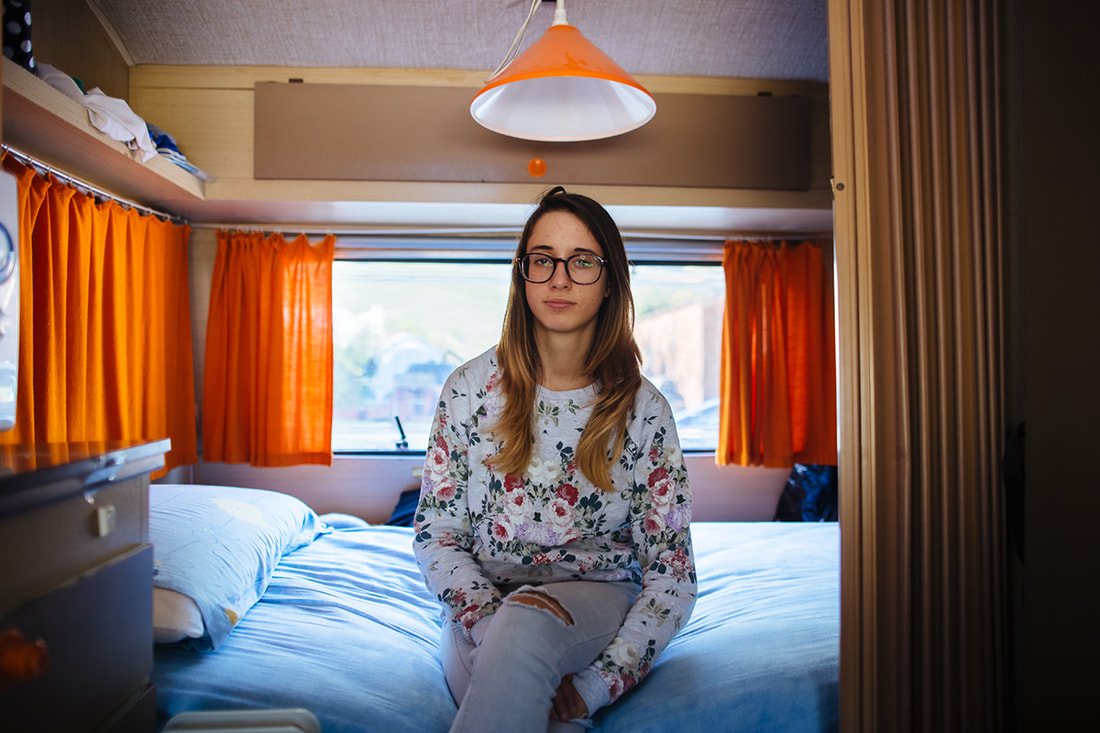
Angelica
|
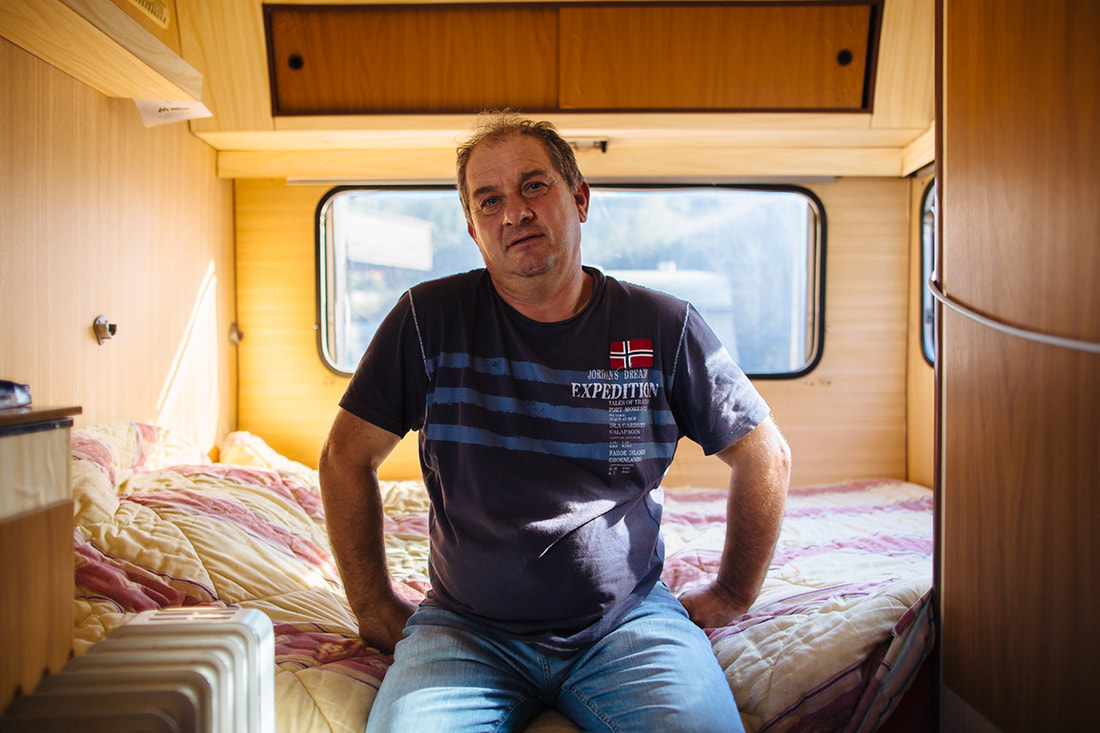
Gianbattista
|
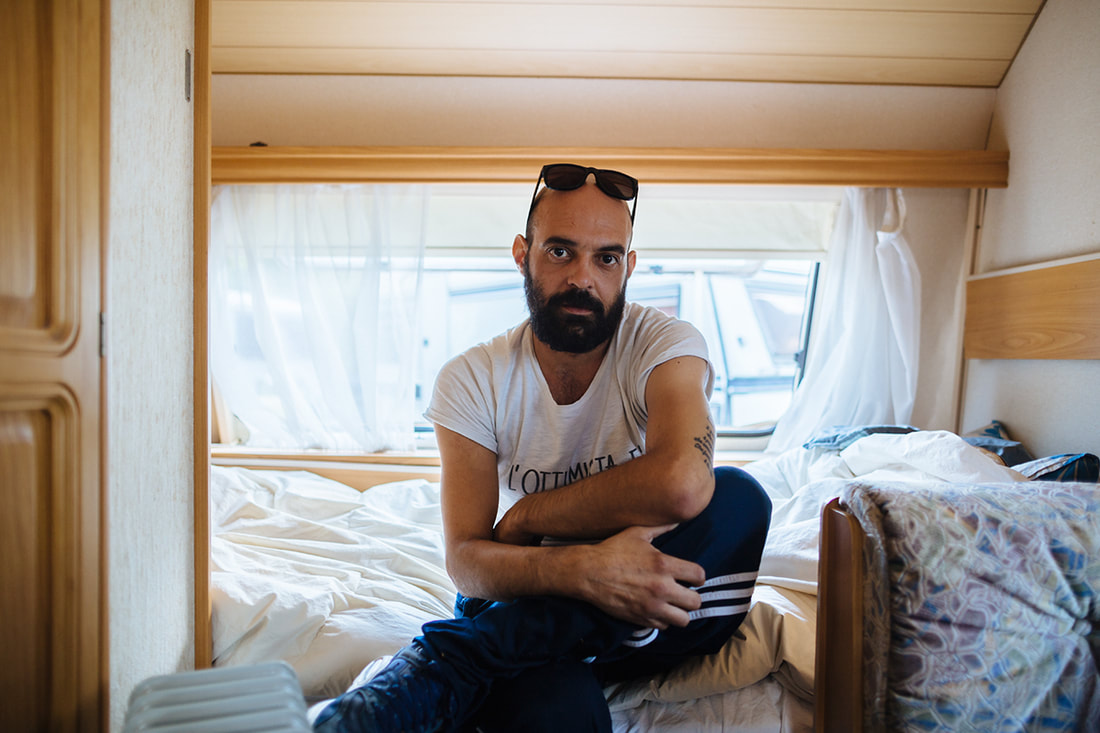
Christian
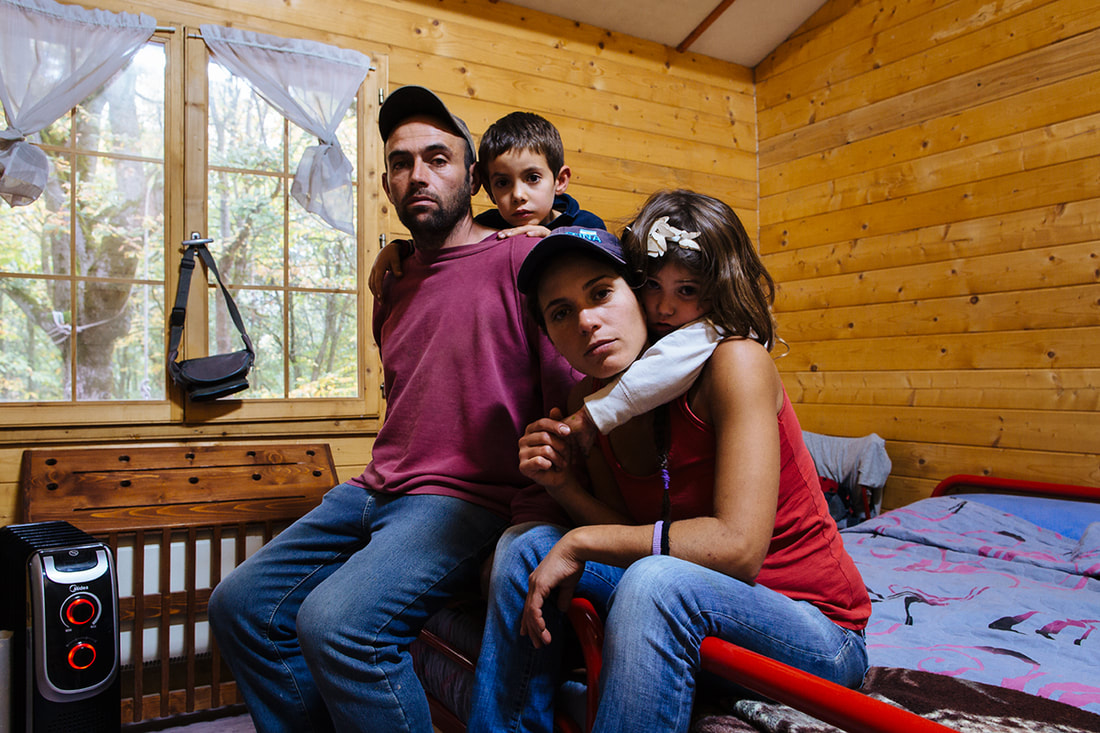
Stefano, Michela, Diego, Emma
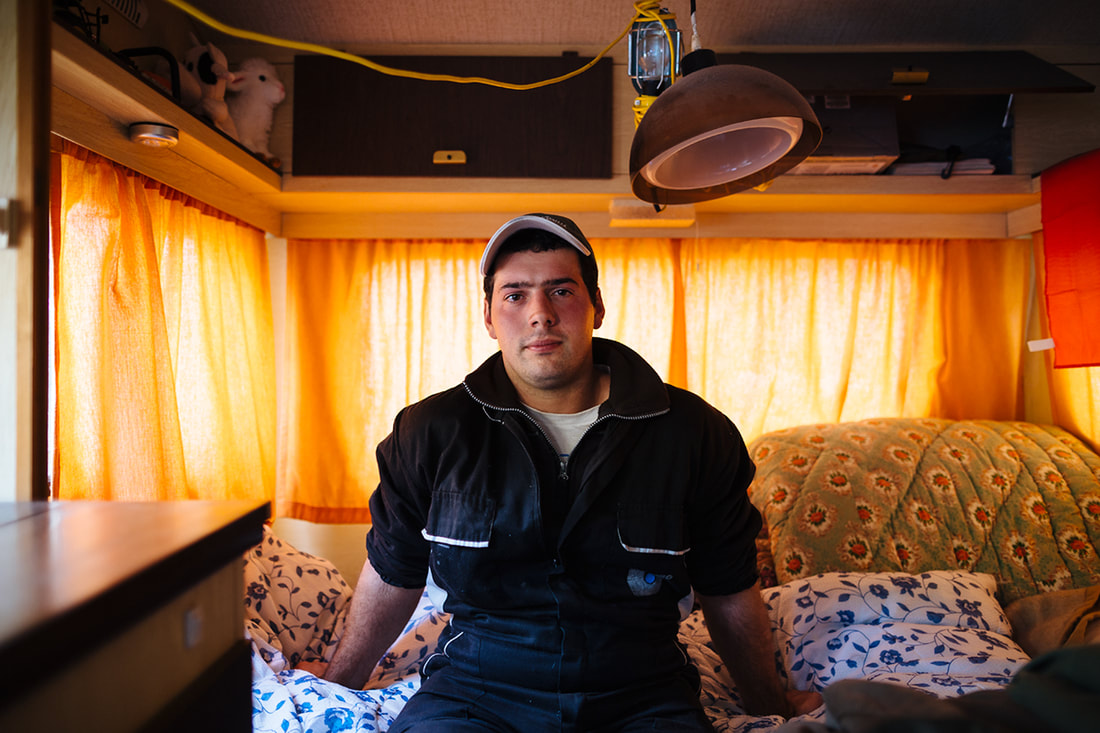
Gian Battista
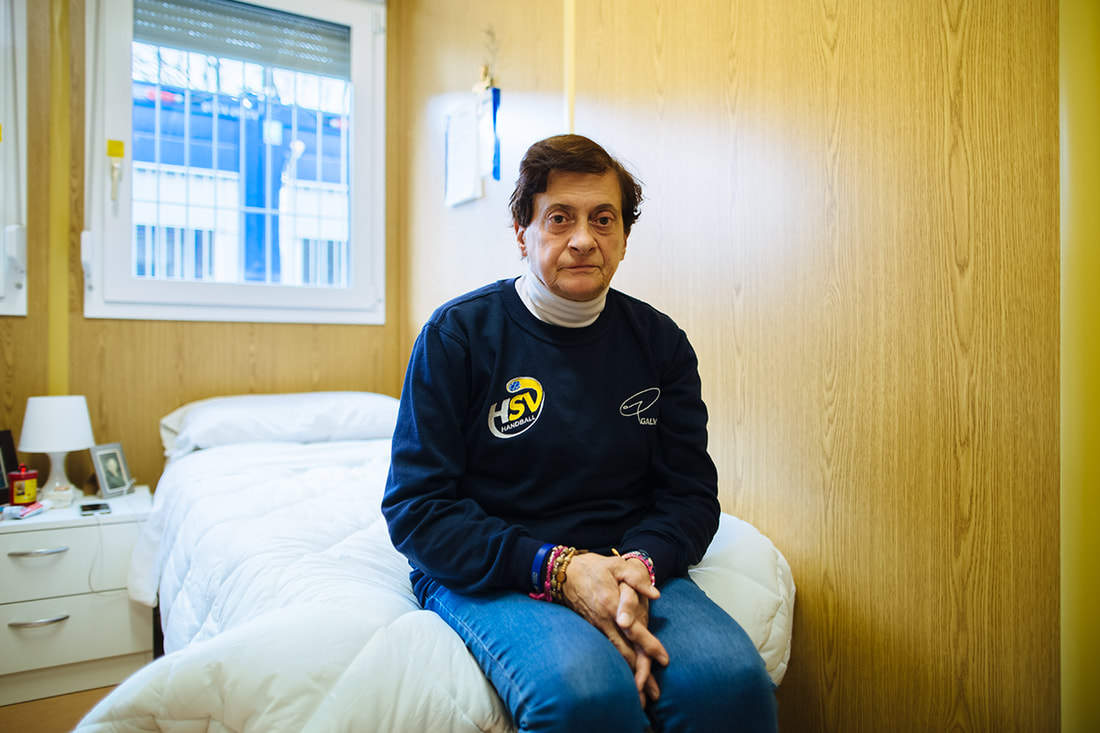
Annarita
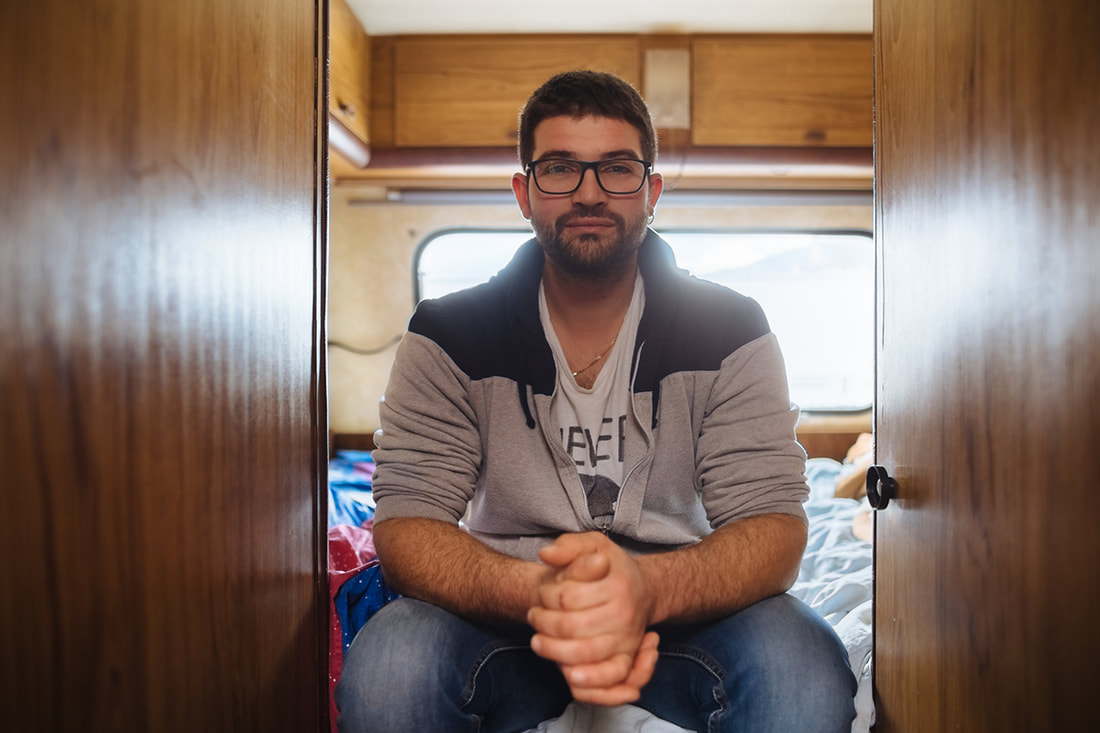
Mario
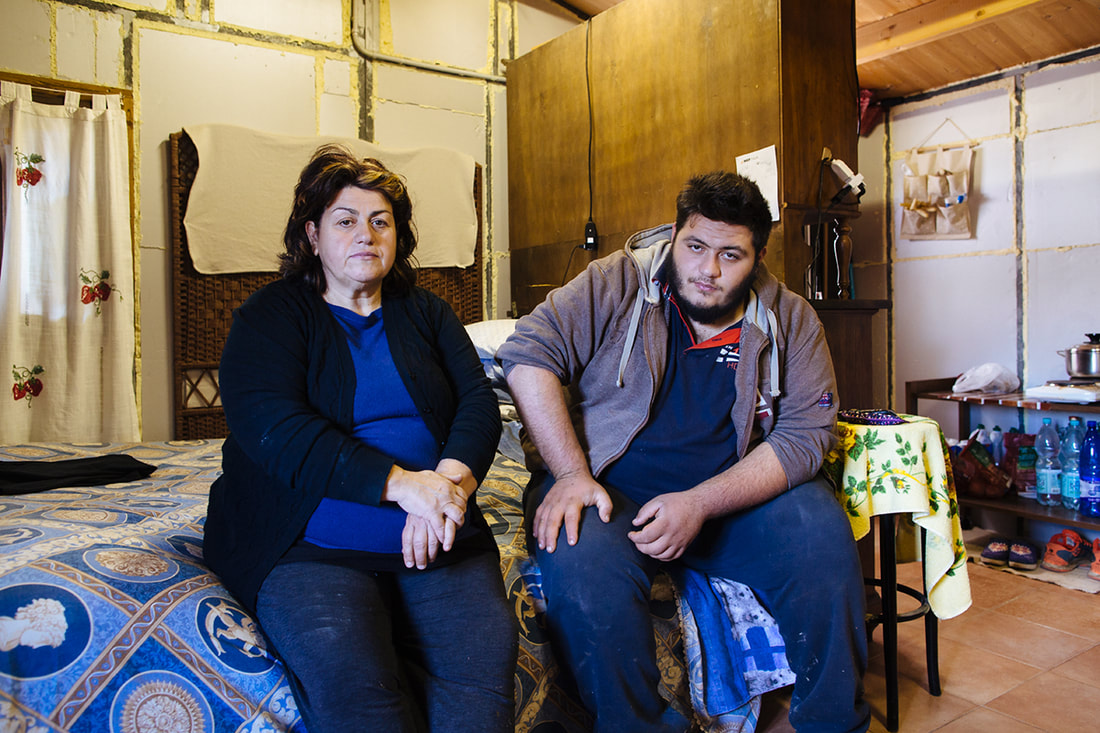
Concetta e Leonardo
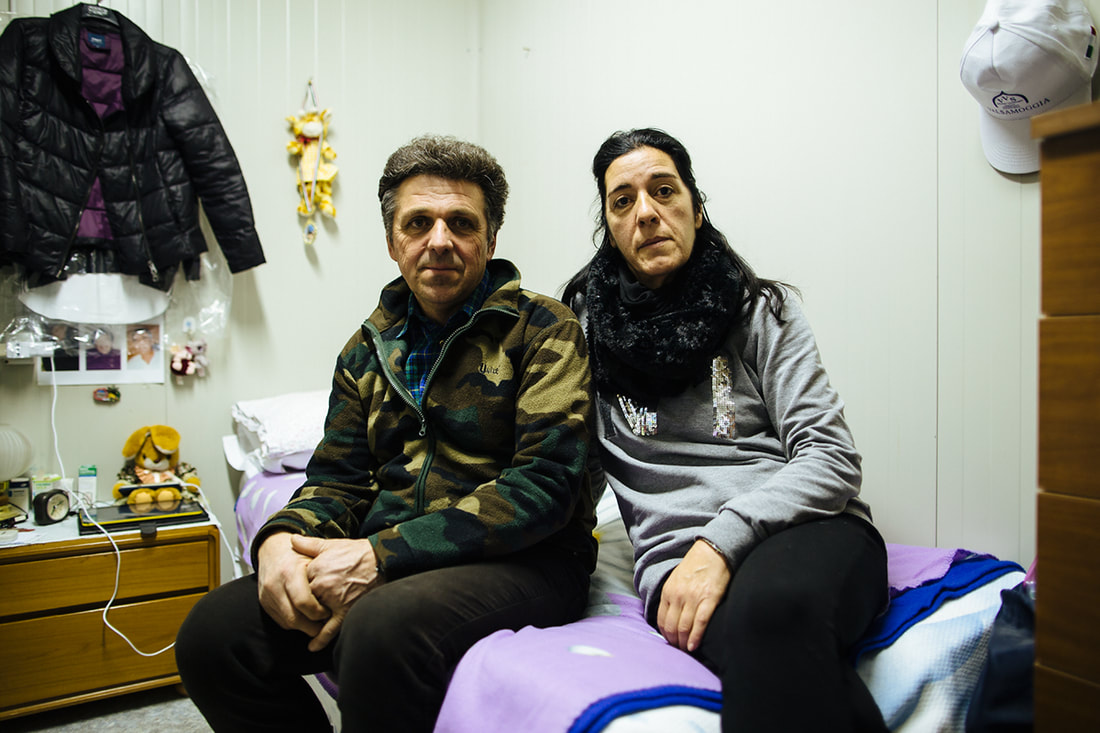
Luciano e Luana
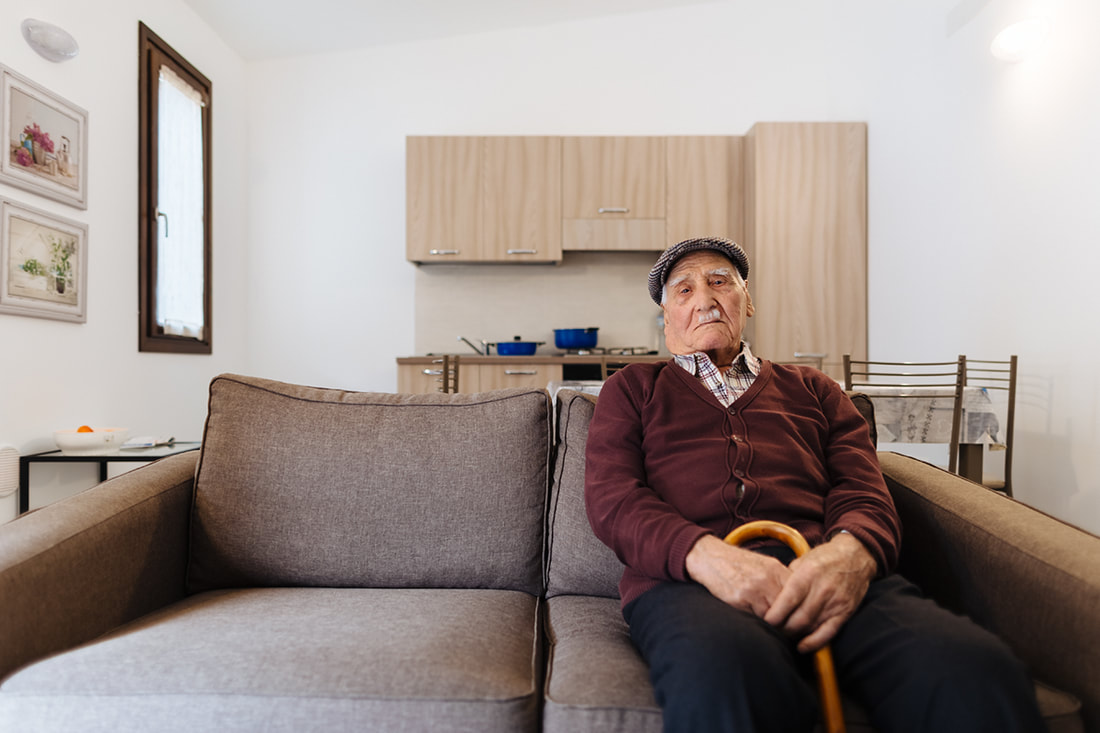
Salvatore
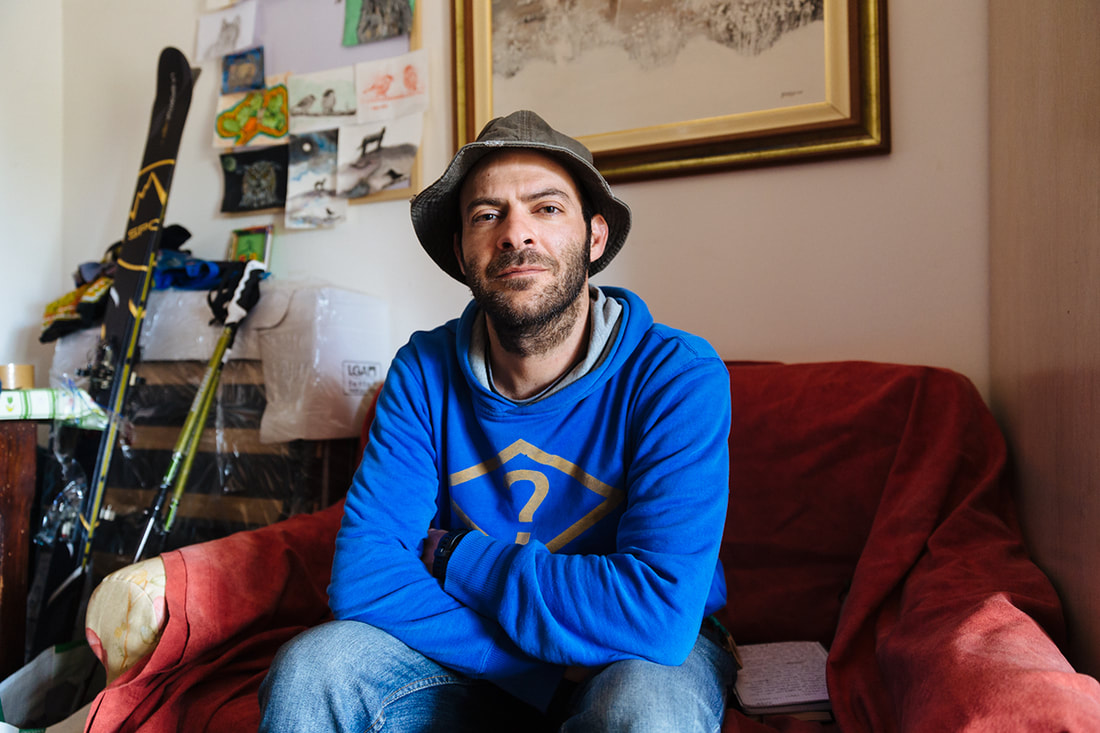
Giuseppe
|
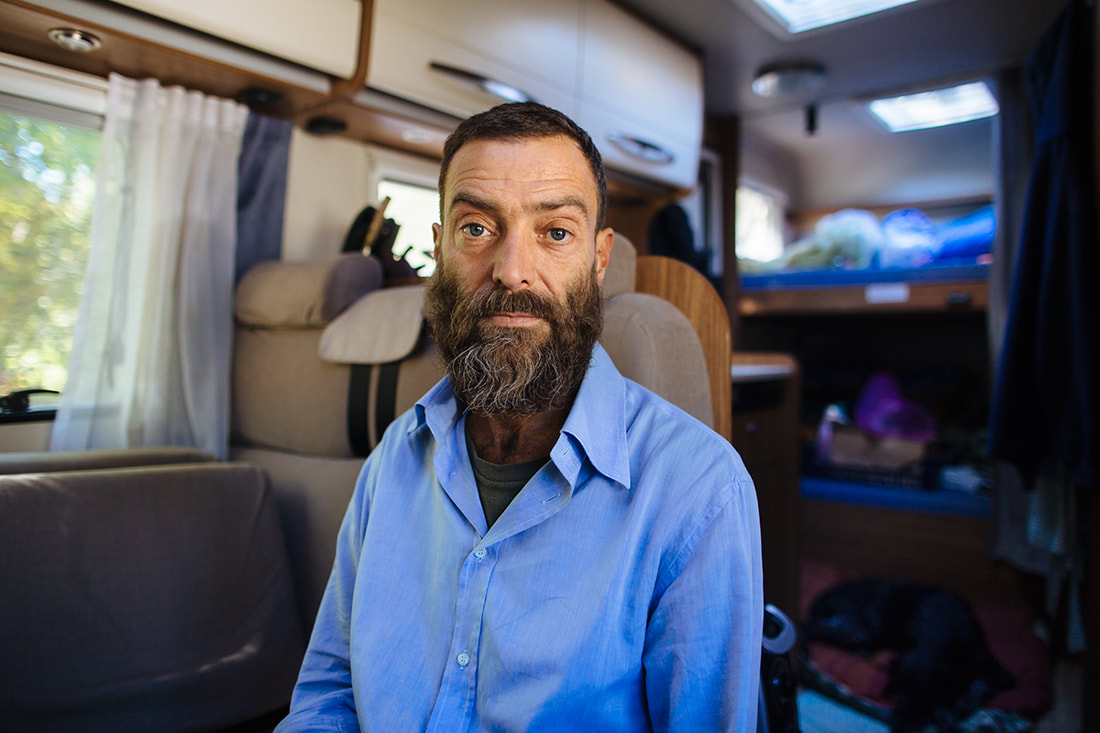
Pierfrancesco
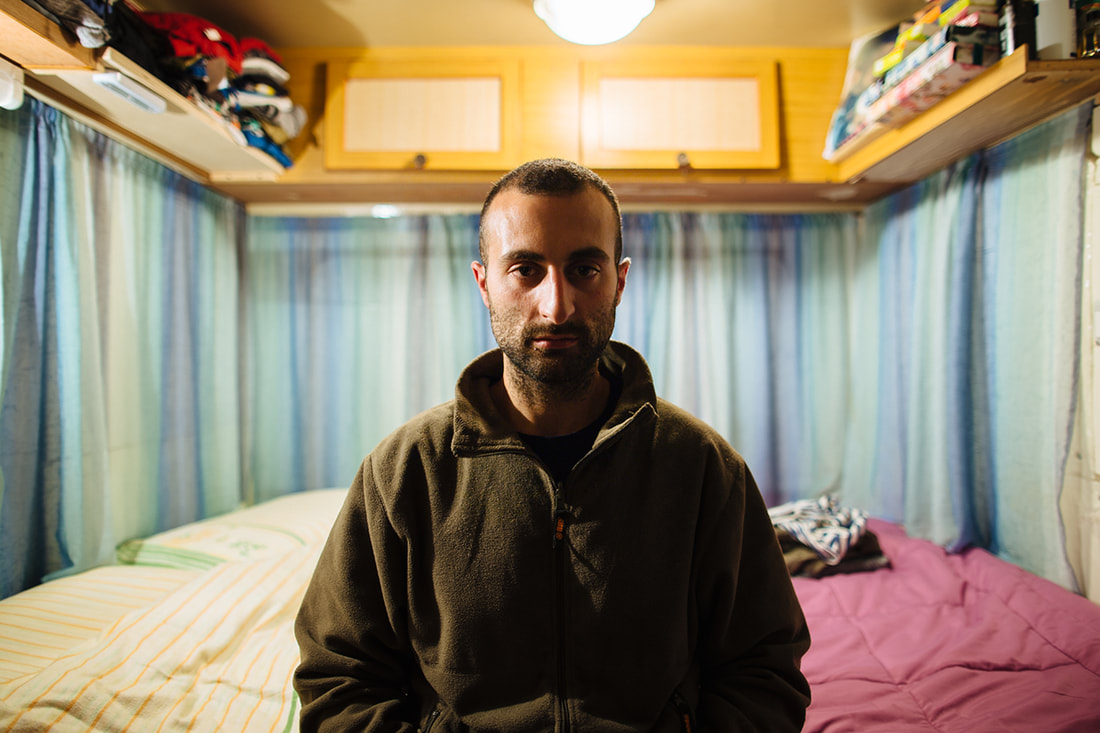
Riccardo
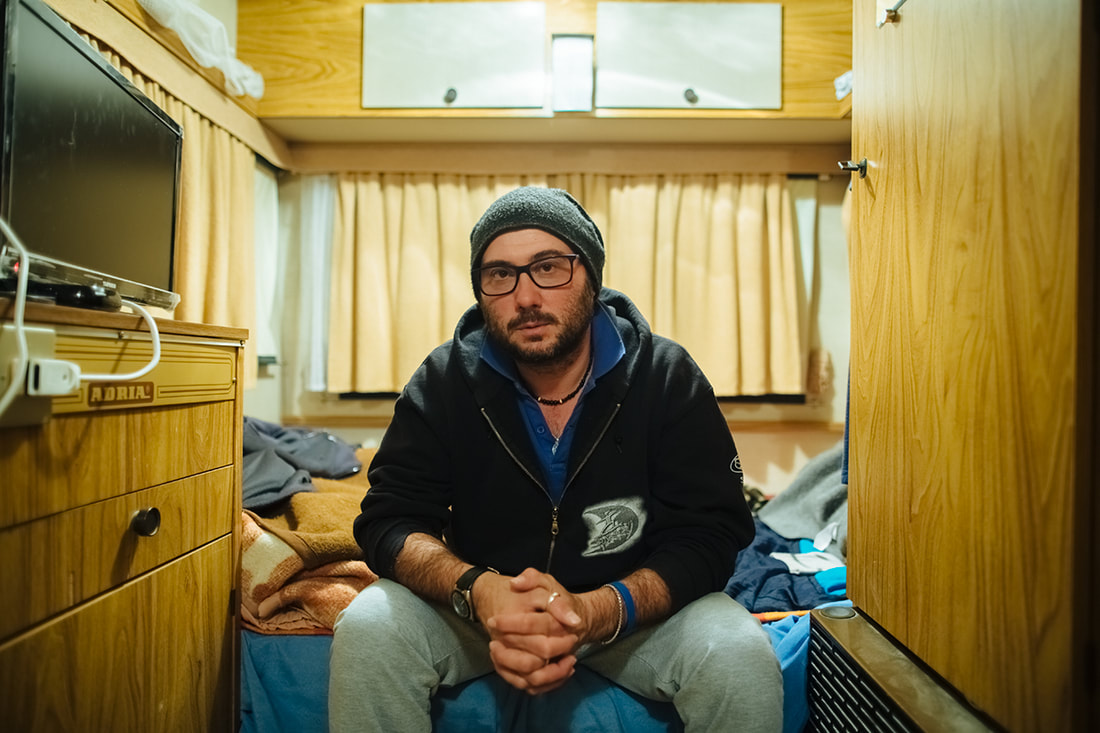
Alessandro
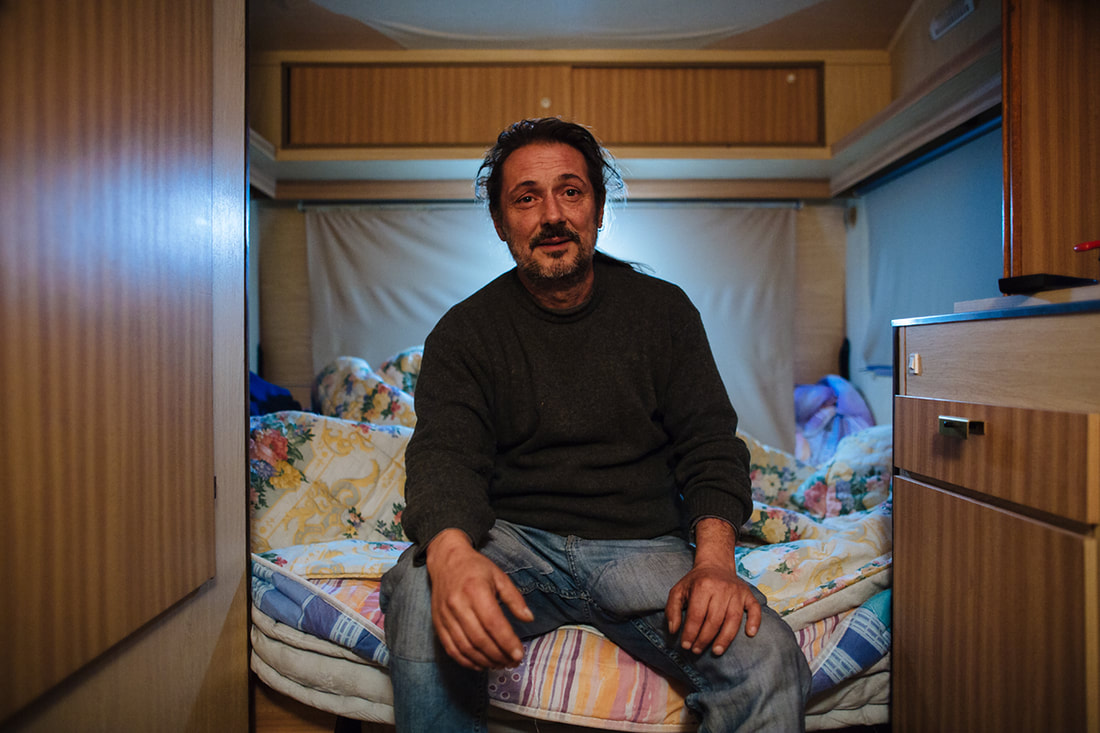
Stefano
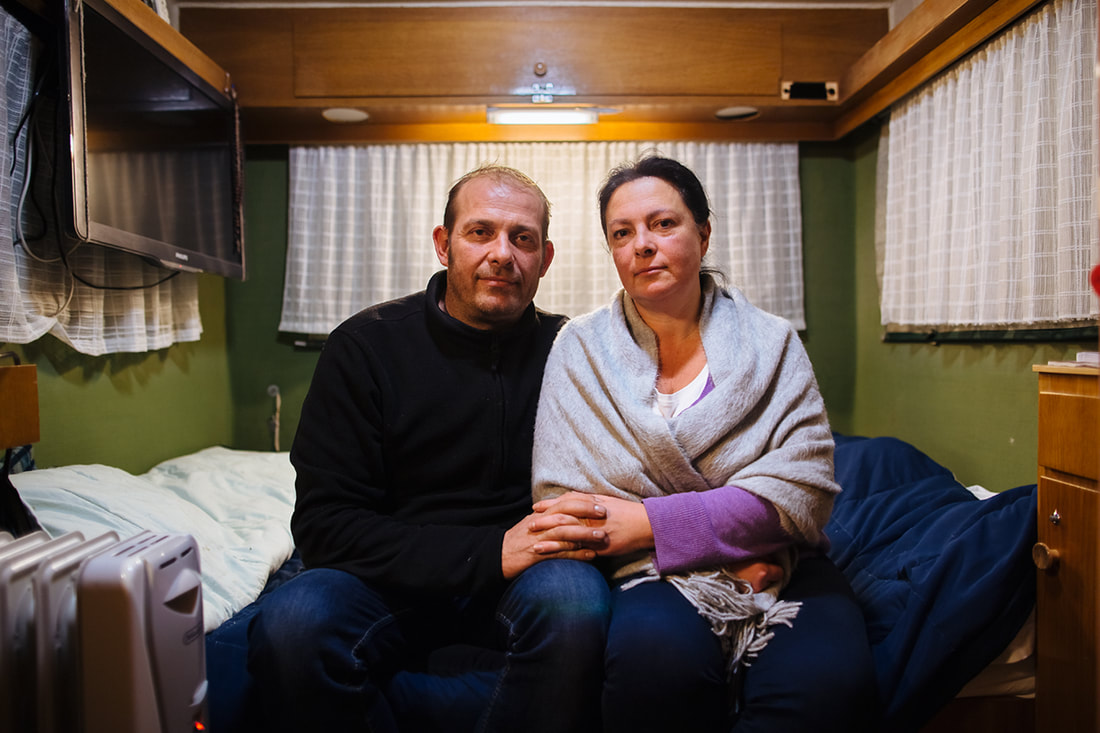
Angelo e Sara
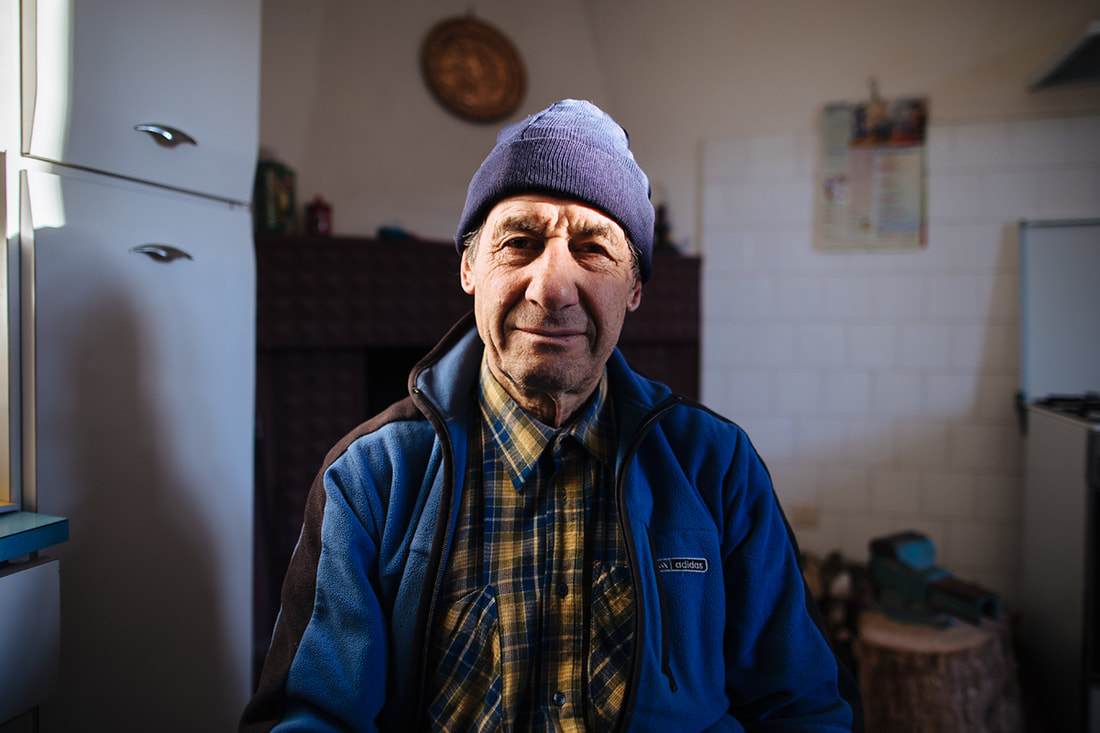
Renato
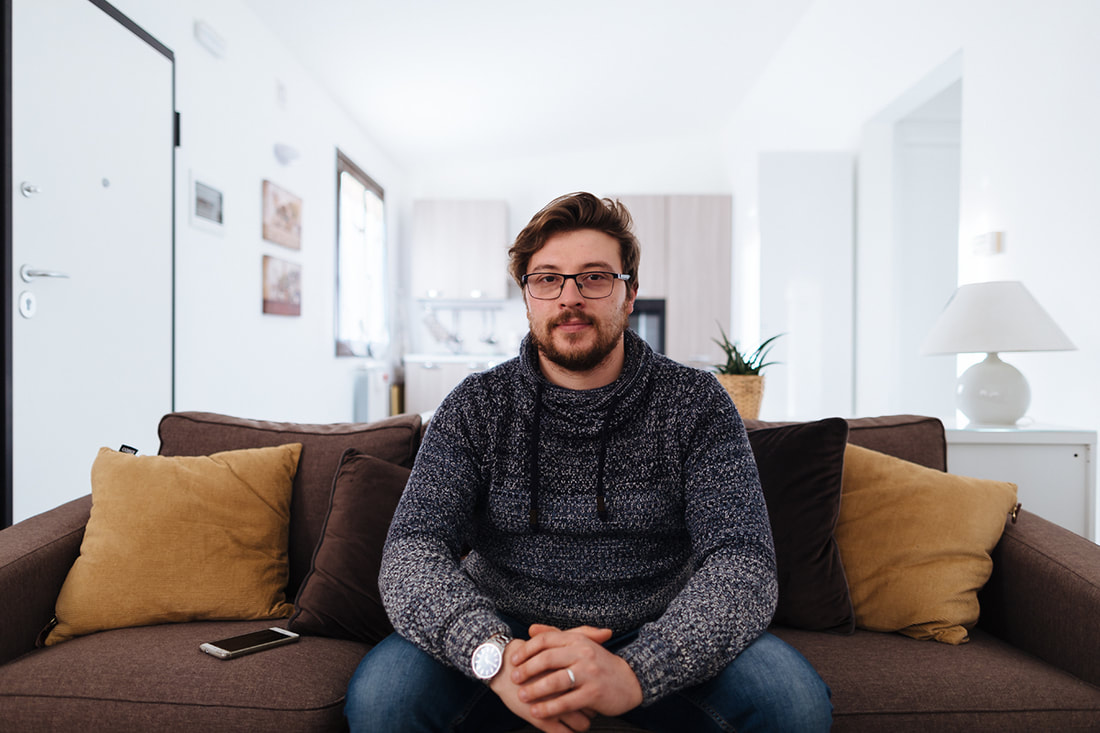
Luca
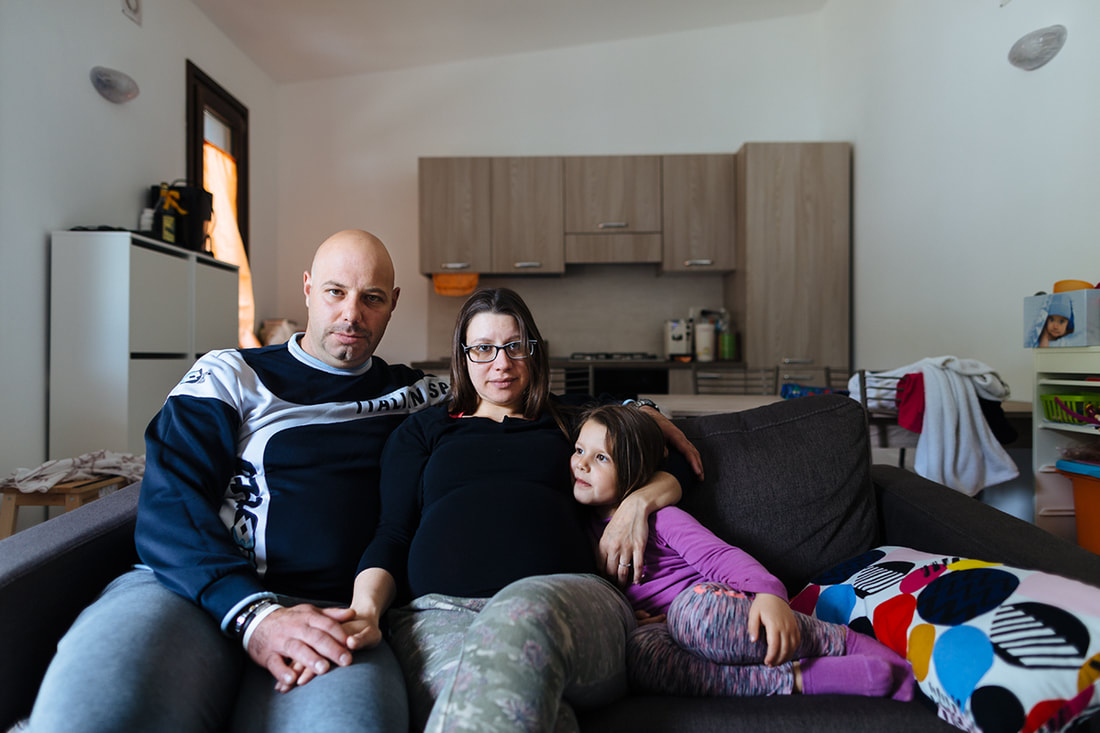
Manuele, Mara, Emma
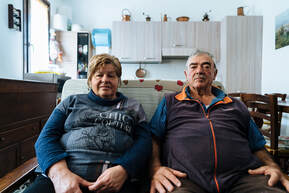
Francesca e Sabatino
|
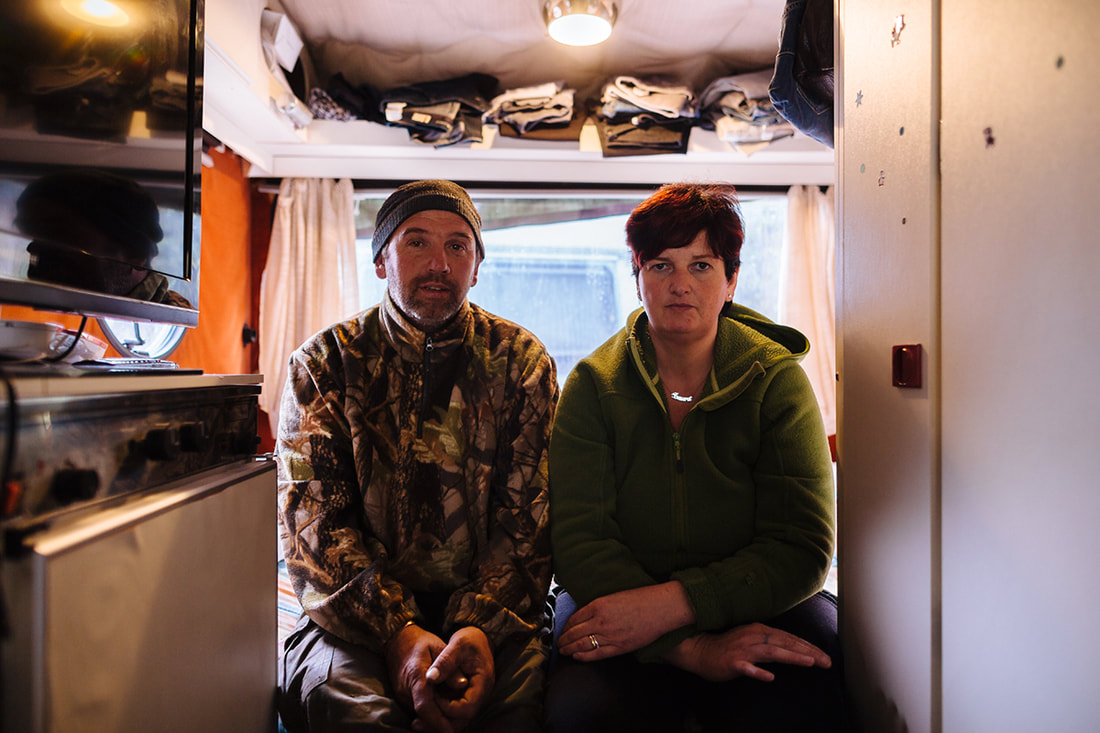
Fabio e Laura
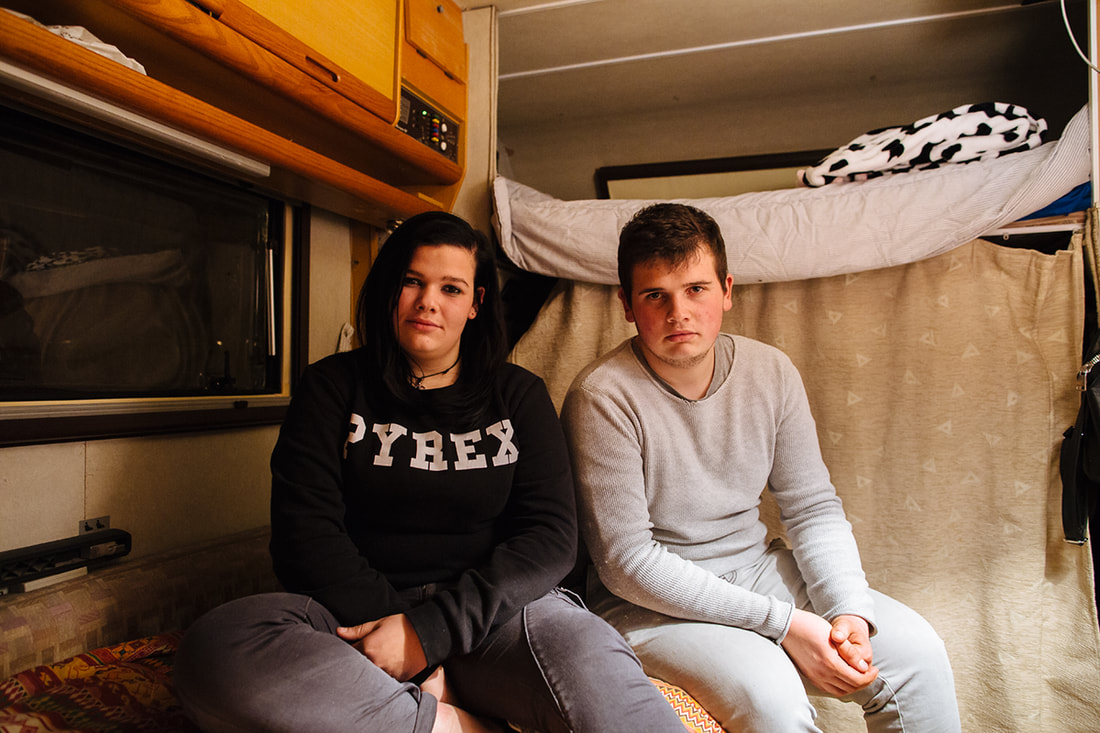
Elisabetta e Marco
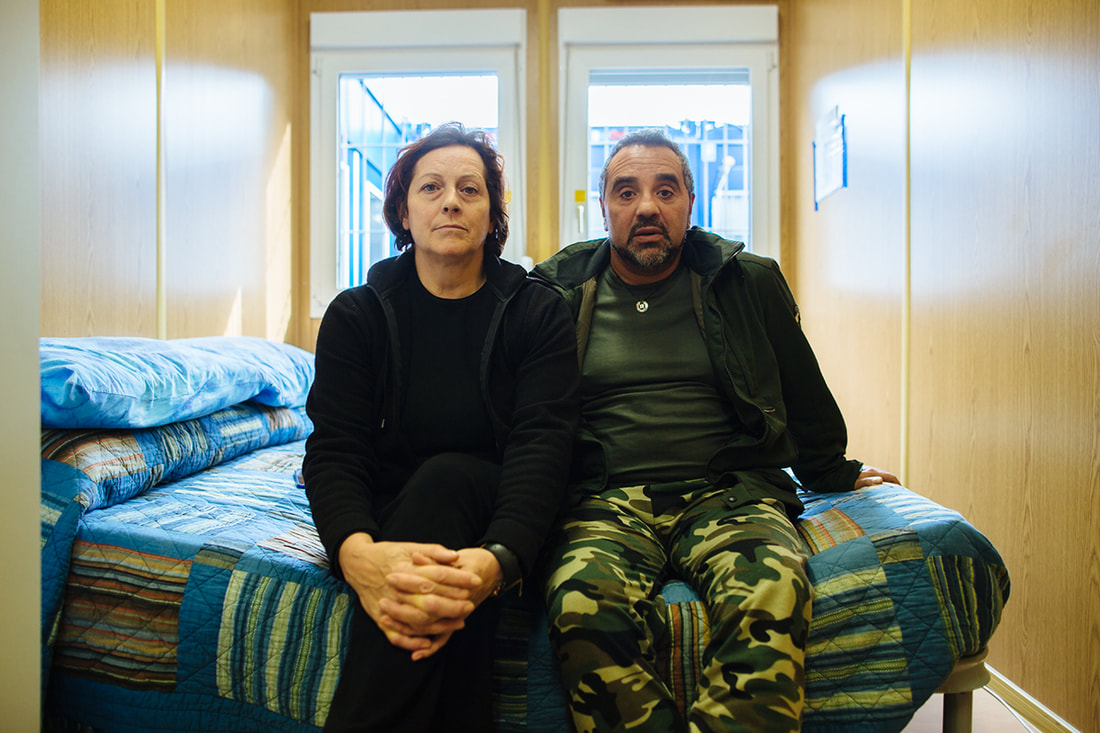
Andrea e Stefania
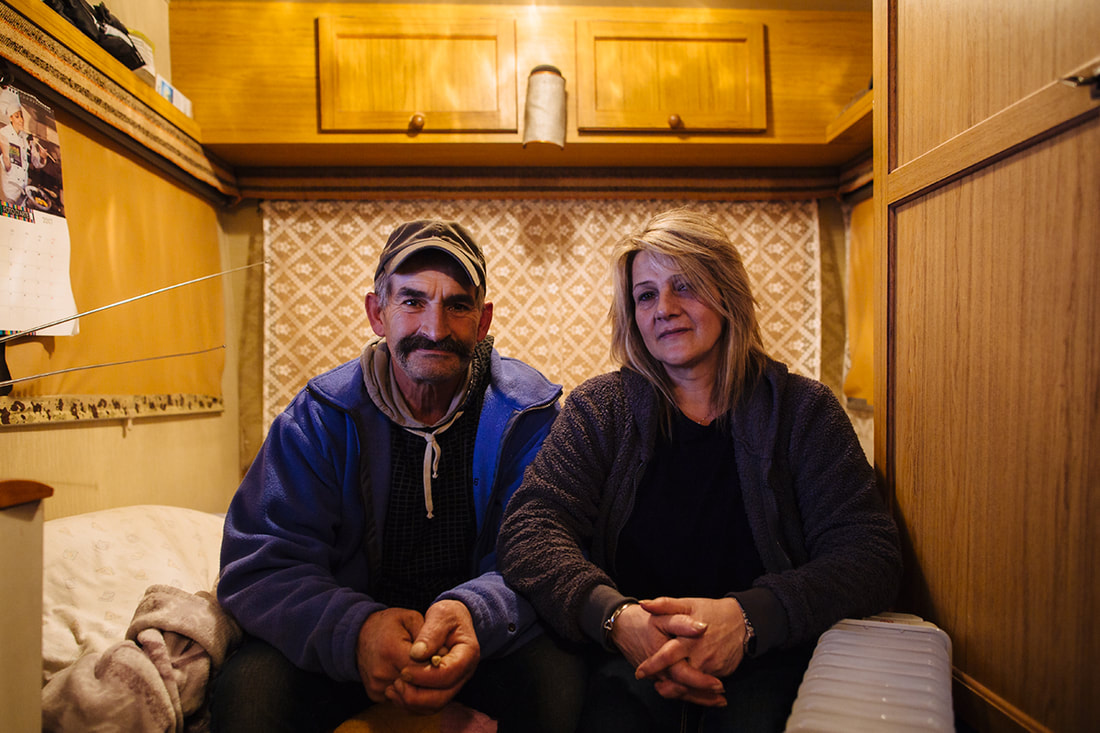
Fabio e Rosella
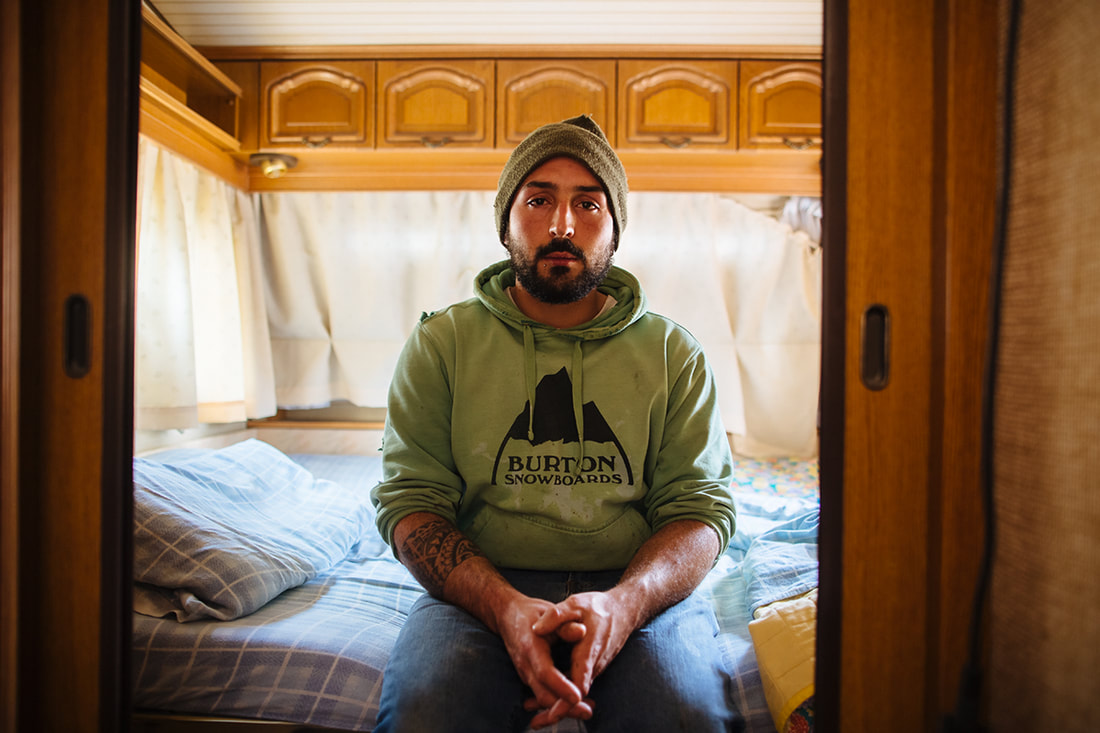
Damiano
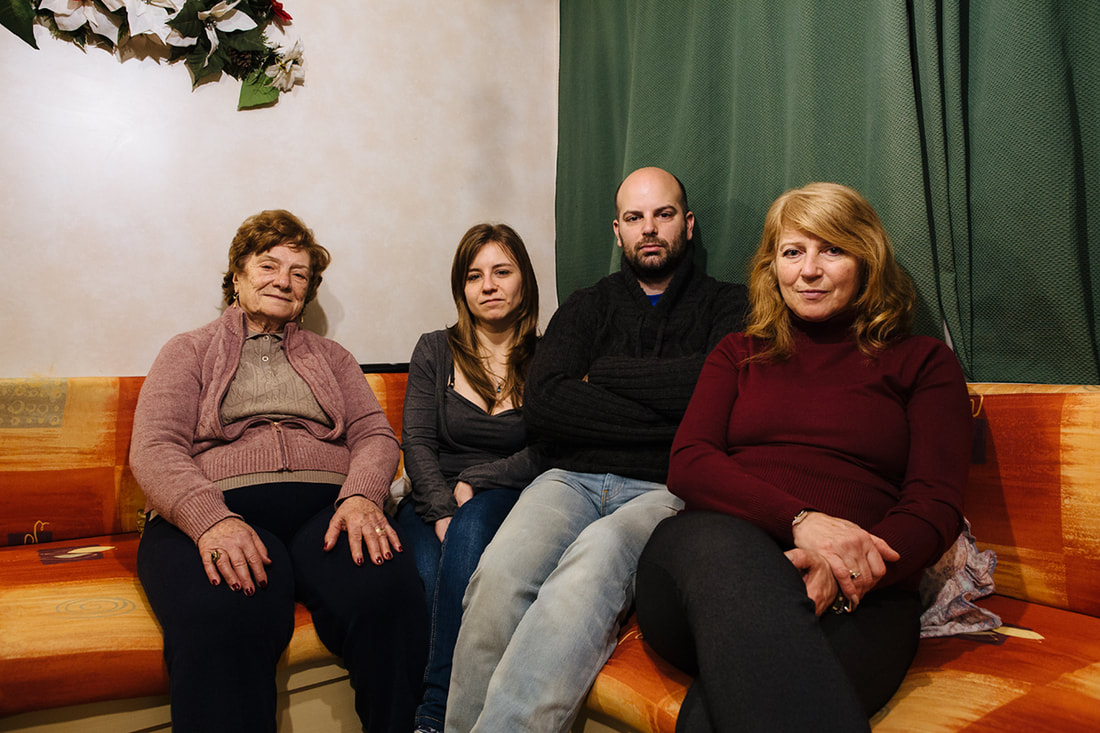
Sesta, Valentina, Mirco, Graziella
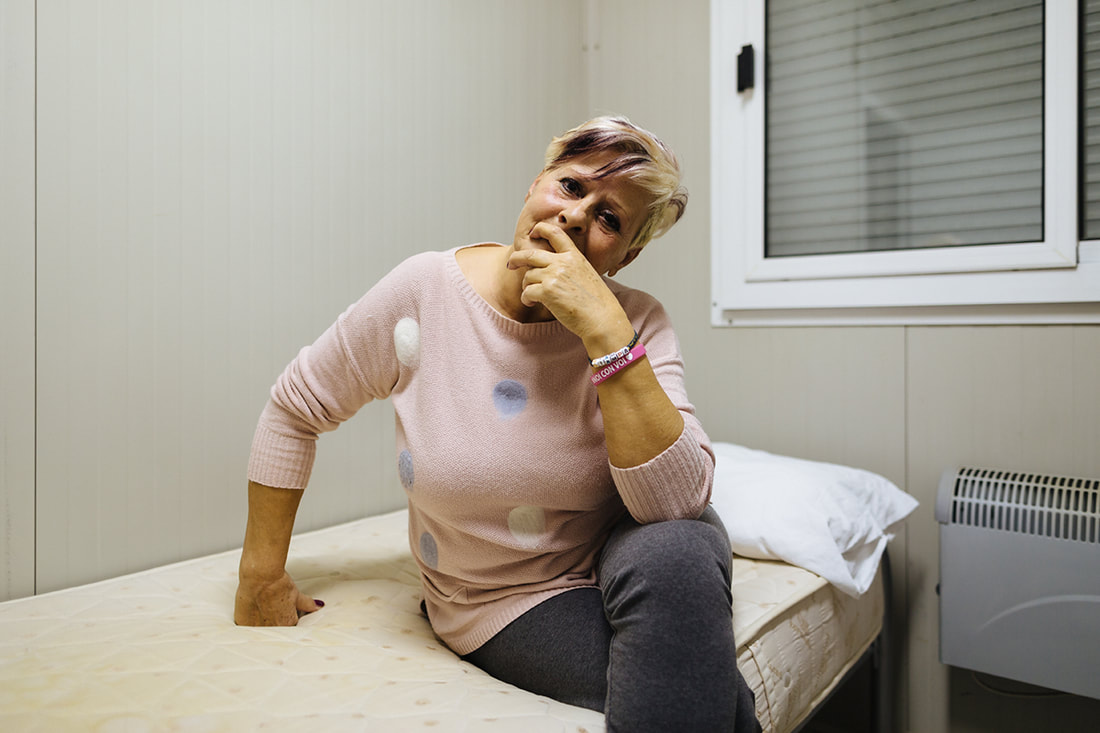
Maria (Loreta)
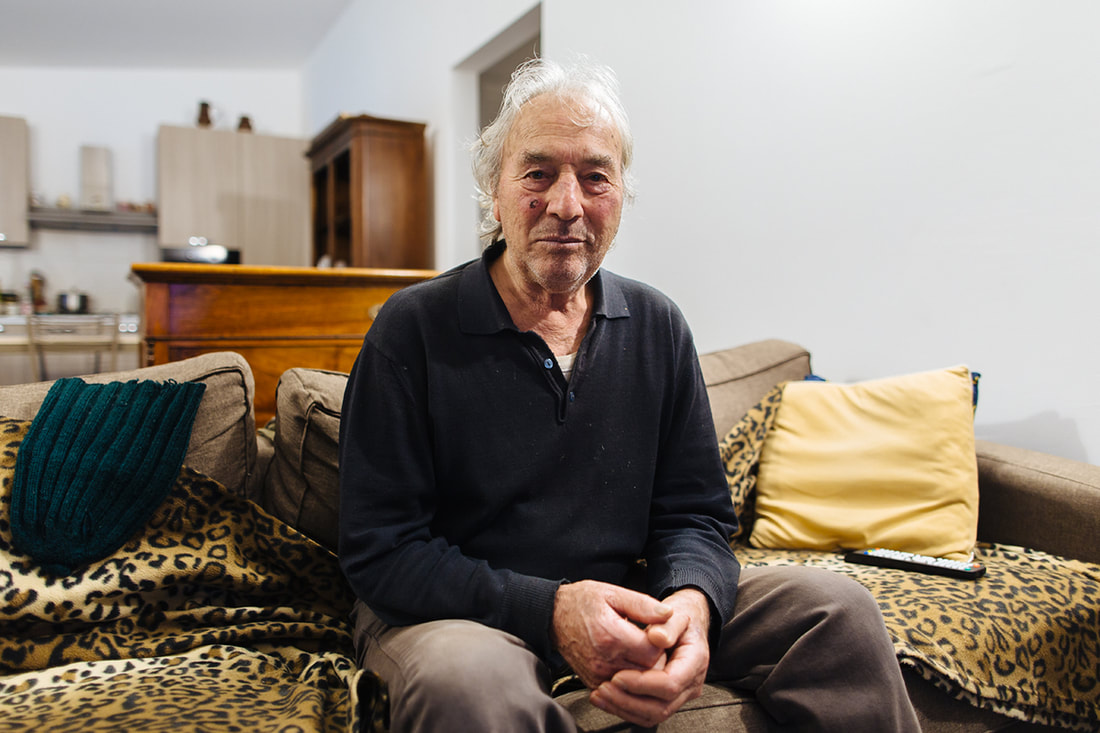
Daniele
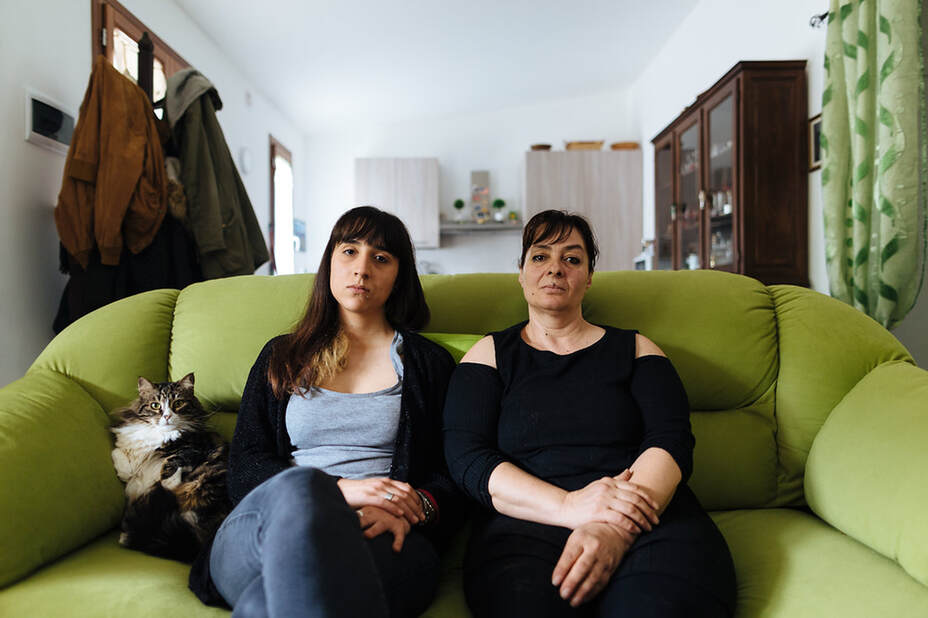
Laura e Mariapaola
|
2023
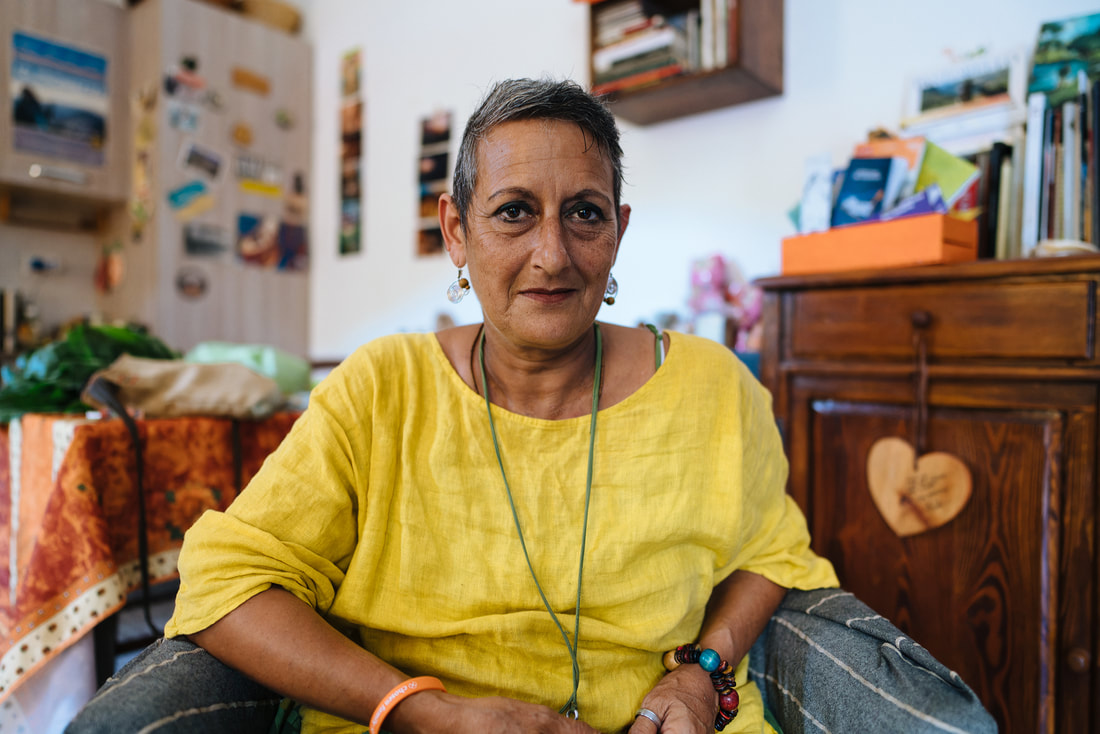
Patrizia
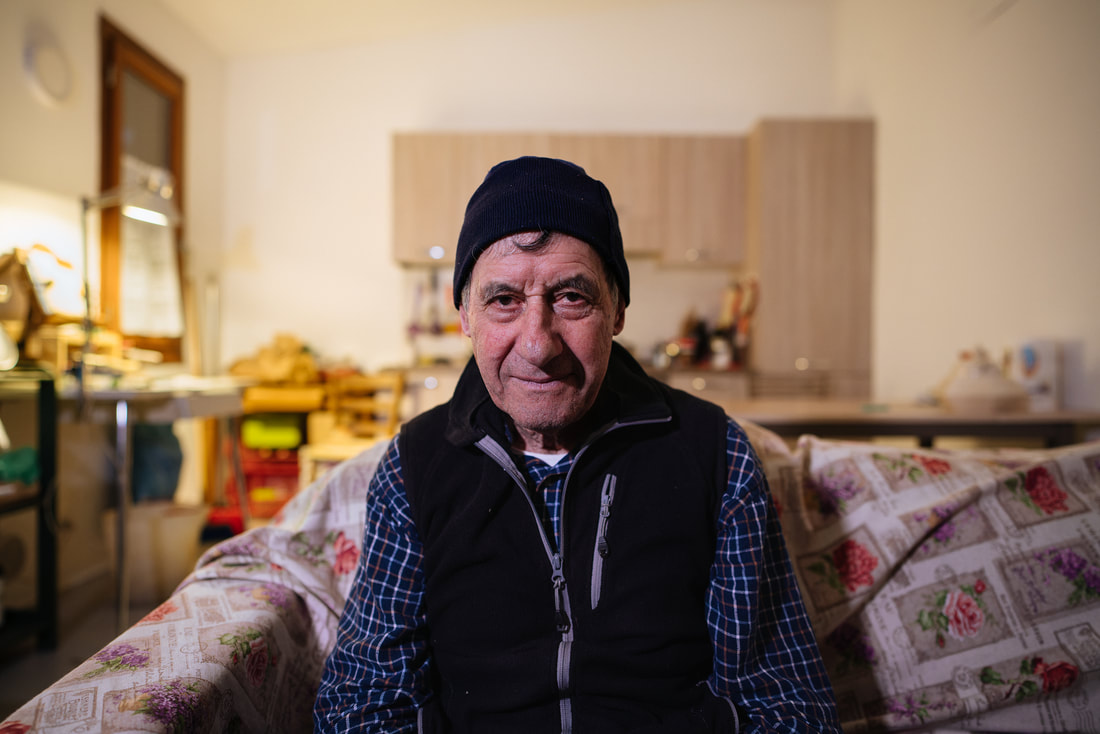
Renato
|
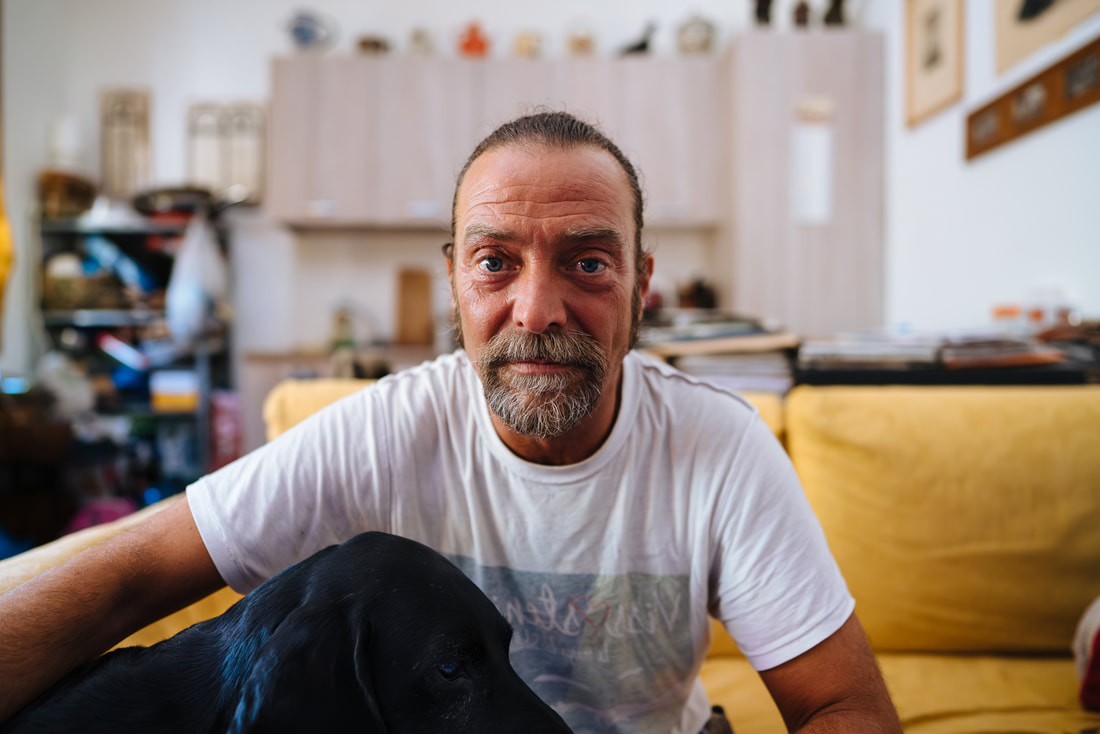
Pierfrancesco
|
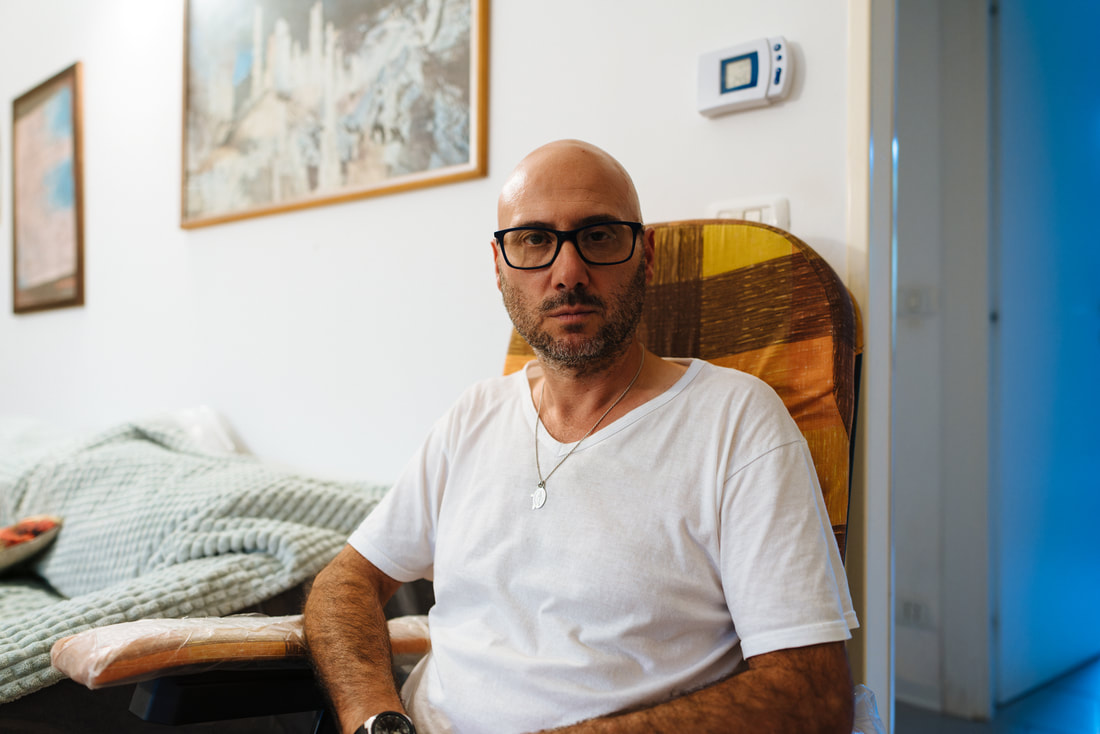
Alessandro
|
|
ITA
Una serie di ritratti fotografici e video storie post sisma 2016 iniziata nei camper, nelle roulotte, nei container e negli alberghi, continuata poi nelle SAE (Soluzioni Abitative in Emergenza) tra Camerino, Muccia, Castelsantangelo sul Nera, Ussita, Visso. La prima serie di interviste è iniziata nel 2017, ad un anno dagli eventi sismici, la seconda serie torna dagli stessi protagonisti nel 2023 a distanza di 6 anni: cosa è cambiato nelle loro vite? Foto, video e trascrizioni Troppo spesso, gli ascoltatori moderni cercano di "rubare" l’”arco” della storia del trauma senza realizzare che il suo vero significato non può essere rivelato senza la partecipazione del sopravvissuto. La storia di Filottete non riguarda solo il possesso dell’arco, ma anche l’essere capaci di usarlo. Nel caso del sopravvissuto al trauma, l’arco è la storia completa. Solo ascoltando il sopravvissuto raccontare la storia possono essere rilasciate le frecce dell’arco e, nel processo, la vittima e persino la società può essere guarita. - Richard F. Mollica, Healing invisible wounds: Path to hope and recovery in a violent world, pag. 35 |
ENG
A series of portraits and videostories shot after the 2016 Central Italy earthquakes started in campers, containers, hotels, and continued in the SAE (Emergency Housing Solutions) between Camerino, Muccia, Castelsantagelo sul Nera, Ussita, Visso. The first series of interviews started in 2017, one year after the earthquake events, the second series returns to the same protagonists in 2023, six years later: what has changed in their lives? Photos, videos and transcripts. Too often, modern-day listeners try to "steal" the "bow" of the trauma story without realizing that its true meaning cannot be revealed without the partecipation of the survivor. The Philoctetes story is not only about possessing the bow, but about being able to use it. In the case of the trauma survivor, the bow is the full story. Only by listening the survivor tell the story can the bow's arrows be realesed and, in the process, the victim and even the society can be healed. - Richard F. Mollica, Healing invisible wounds: Path to hope and recovery in a violent world, pag. 35 |